
A new kind of digital pastime is drawing in players from Vancouver to Halifax. It’s not your typical online casino game. JetX3, a crash game, has a peculiar and specific effect on those who play it. People mention falling into a deep focus where hours slip by unnoticed and the real world seems to mute itself. The mix of high-stakes tension, sharp graphics, and the basic thrill of guessing when a soaring multiplier will collapse creates a strong draw. For a lot of players, the potential payout is only part of the story. The real pull is the adrenaline rush of the ride and the live community that forms around it. Figuring out why this particular game commands such intense attention tells us a lot about how modern games are built, especially their knack for bending a player’s sense of time in a way movies or music rarely do.
The Appeal of the Crash Game Format
JetX3 falls under the crash game category, a genre that changed online betting with its simple, suspenseful rules. The idea sounds easy. You place a bet. You see a multiplier start climbing from 1x. Your job is to cash out before the game randomly “crashes.” If you’re too slow, you forfeit your bet. This tension between desiring more and staying safe is a powerful psychological engine. It’s unlike slots or blackjack, which have distinct, separate rounds. The crash format offers a steady line of risk that the player controls. Every tick upward on the multiplier makes the possible reward bigger, but the threat of losing everything grows, too. Because you have to take a precise, timed action, you’re engaged in a way that goes beyond just watching. You no longer are a spectator. You transform into the pilot, controlling the jet’s climb and determining the exact second to eject. That metaphor is central to JetX3’s theme and its hold on players. The game’s design fights against multitasking. Glance at your phone and you might miss your chance to cash out or watch your bet vanish. It demands your full focus, pulling your entire attention into the session and maintaining it there.
JetX3’s Engrossing Visual and Audio Design
JetX3’s carefully built sensory world is a big reason players ignore the clock. The game uses a polished, aviation-themed interface. A jet shoots upward through a artistic sky, and the multiplier shows as its altitude. The graphics are contemporary and move with smooth precision, making the climb feel rewarding to watch. The sound design works hand-in-hand with this. The increasing whine of jet engines builds as the multiplier grows, tightening the tension. Cashing out comes with a rewarding sound effect. The crash itself is a striking event, but not a harsh one. This loop of sight and sound is essential. It feeds the player steady, interesting stimuli that need attention without causing overload. It helps create a “flow” state. By cutting out distractions, the design focuses all your mental energy on the core action. The time on your wall clock stops being relevant. This lets play sessions stretch on, absorbed and lengthy. Designers use subtle tricks, like slowly shifting the sky’s color or making the jet model vibrate more, to signal rising danger just below conscious thought. These details keep the brain busy. This rich sensory environment builds a self-contained universe. In that world, the only time that counts is the multiplier ticking up, breaking the mental link to the passing minutes in your day.
The behavioral aspect of almost-wins and big wins
JetX3 is founded on solid psychological principles. The “near miss” is extremely effective. If you collect just before the multiplier skyrockets, or if it crashes just after you secured a decent win, your brain treats it like a near-victory. It produces dopamine, pushing you to attempt again and seek that ideal timing. On the other hand, landing a big win gives a strong shot of positive affirmation. This unpredictable reward schedule, where wins arrive at irregular times and in random sizes, is one of the most powerful tools for keeping someone interested. Players get into a loop. They predict, they act, and then they examine the outcome, constantly adjusting their approach. This mental loop, the belief that the next round could be the huge one, renders it incredibly effortless to say “just one more game.” That causes prolonged play where your feeling of time gets entirely altered. A player who drops at 4.5x after cashing out at 4.2x will focus on the “near miss” of a slightly bigger gain. They often forget they actually earned a return. This bias drives the urge to jump right back in and “get it right next time,” creating a sequence of rapid rounds where individual minutes merge into one extended story of quest.
Social Features and Social Interaction
People rarely play JetX3 in total isolation. Most platforms that host the game offer live chat and leaderboards. These elements create a lively community. Players observe each other’s big wins and sudden crashes as they happen. They offer congratulations, sympathy, and tips. This social element introduces a significant component to the gameplay. Watching another player achieve a huge multiplier on a large bet can drive others to take bigger risks, sparking waves of shared excitement. The group sense lessens the isolation that can come with online gaming and builds a sense of camaraderie. This social affirmation and competition connect players even more firmly to the crunchbase.com session. Typing in chat, discussing strategy, or just being part of a collective, adrenaline-charged event renders the passage of time even harder to notice. The game transitions from a solo activity to a dynamic social space. The main attention becomes the shared story that unfolds with each climbing jet and unexpected crash. Players often form casual bonds, returning back to the same site at similar times to chat with familiar usernames. That brings a layer of social obligation to the gaming session. It turns the activity from simple gambling into a multifaceted social hangout. Logging off starts to feel like walking out of a good conversation, which can extend playtime far beyond what you originally intended.
Approach and the False Sense of Control
A strategic layer that players believe they can use enhances the engagement with JetX3. The crash point is decided by a provably fair random number generator. Yet, players utilize all sorts of tactics. They establish auto-cashout points, employ betting progressions like the Martingale system, or search for imaginary patterns. This active planning creates an “illusion of control,” a psychological state where people believe they can affect outcomes that are fundamentally based on chance. Making and testing these strategies demands concentration and mental effort. Players get absorbed in reviewing past rounds, adjusting their settings, and making guesses about what will happen next. This analytical engagement is mentally taxing. It pulls the player deeper into the game’s world. The process of planning, doing, and reviewing a strategy offers the session a framework that naturally prolongs time. Each round becomes a data point for a personal experiment, not just a lone bet. A player might spend a whole evening testing a strict “cash out at 2x” rule over fifty bets, carefully noting the results. This self-made structure gives the play a sense of purpose. It feels like productive analysis instead of random luck. The focus on method leads to hours disappear while the player awaits enough data to prove their theory right or wrong.
The Influence on Daily Routines and Time Management

The absorbing nature JetX3 creates can have actual consequences on daily life, especially around time management. It’s frequent for someone to plan a short gaming break only to snap out of it and find that hours have passed. This loss of time awareness can disrupt schedules, delay chores, and reduce efficiency. The fact you can play on a smartphone makes this more problematic. It allows for short bursts that can unexpectedly lengthen during lunch breaks, on the bus, or late at night. Enjoyment is a fine way to spend time. But forgetting about time can sometimes cross a line from leisure into overlooking obligations. Acknowledging this possible impact is the initial step toward a more balanced way. Players do better when they use outside timers, reserve defined slots for play, and make a conscious effort to reflect on how long they’ve been playing and why. Consider a player who logs on during a lunch hour, gets drawn in, and goes back to work late and distracted. Their afternoon efficiency suffers. Because the game is so mobile, these micro-sessions can fill any small pocket of downtime. They constantly draw attention away from real-world tasks, fragmenting the day into a series of disrupted tasks split by intense, timeless gaming intervals.
Responsible Gaming Tools and Self-Awareness
Good gaming platforms know how engrossing games like JetX3 can be aviacasino.games. They offer responsible gaming tools to help players retain control. These comprise deposit limits, loss limits, wager limits, session time reminders, and reality check pop-ups. Using these features is a smart step toward conscious play. A session time reminder, for example, can break the flow state with a distinct alert. It enables reestablish you with real-world time. Building self-awareness is equally important. Players should think about their motives for playing. Is the session for fun and excitement, or is it fueled by stress or an attempt to win back losses? Knowing the difference between recreational immersion and problematic behavior is essential. By combining the tools the platform provides with personal vigilance, players can enjoy the thrill of JetX3 while safeguarding their well-being and their time. Practical self-awareness might mean pre-commitment. Choose on a maximum number of rounds or a firm stop time before you even log in. After a session, devote a moment to reflect. Record a few notes about the experience to detect emotional triggers. These habits establish a layer of self-observation. They enable you monitor your own engagement from a slight perspective, which is a strong remedy to the total time absorption the game is crafted to create.
Pitting JetX3 to Other Casino Game Genres
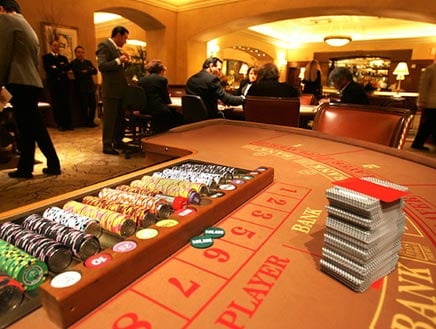
Place JetX3 against traditional casino games, and its time-warping nature stands out even more. Classic table games like blackjack or roulette function in separate, distinct rounds with clear starts and finishes. These offer natural breaks. Slot machines can be immersive, but the outcome is set the moment you spin. There’s no player action after that. JetX3 creates a continuous, player-driven story. The action doesn’t stop. Your moment to decide isn’t just at the start of a round; it lasts the entire climb. Nothing ends automatically until the crash happens, so your attention can’t waver. This constant need for vigilance and readiness to act generates a different kind of engagement than the stop-and-start rhythm of other games. It’s this demanding, interactive, and unbroken experience that specifically eats away at your sense of time passing. This places crash games like JetX3 apart in their power to captivate. During a slot session, a player can hit spin and then look away. In JetX3, looking away is a direct risk. This need for sustained attention is closer to competitive video gaming or solving a complex puzzle. Those activities are also famous for distorting time. That puts JetX3 in a category of cognitive absorption that goes beyond standard gambling mechanics.
Accepting the Excitement While Staying Grounded
The JetX3 game delivers a uniquely absorbing form of digital recreation. It connects with a global community, with plenty of players here Canada. Its power to make players lose track of time demonstrates how successful its mechanics is. It combines psychological triggers, social elements, and strategic layers. This immersive quality is a double-edged sword. It offers deep enjoyment but also calls for some personal discipline. The objective for a clued-in player isn’t to shun the excitement, but to interact with it mindfully. Grasp the systems that foster immersion. Define your own parameters. Employ the features on offer. Concentrate on the journey instead of just the financial reward. When players do that, they can enjoy the exhilarating climb of JetX3 fully. They can ensure the time they devote is remembered as enjoyable entertainment, not as wasted time. This maintains a balanced, enduring bond with the game’s compelling world. The key is to approach the game as a intentional leisure activity. Think of it like viewing a great cinematic saga or reading a gripping novel. Immersion is the idea, but it should happen within a timeframe you control. This change in mindset lets players appreciate the game’s design and excitement without sinking entirely into its boundless vacuum. It ensures the virtual jet’s journey enriches, rather than derails, the course of their daily routine.